The Importance of the Track: How Riders and Drivers Plan Their Races

The Importance of the Track: How Riders and Drivers Plan Their Races
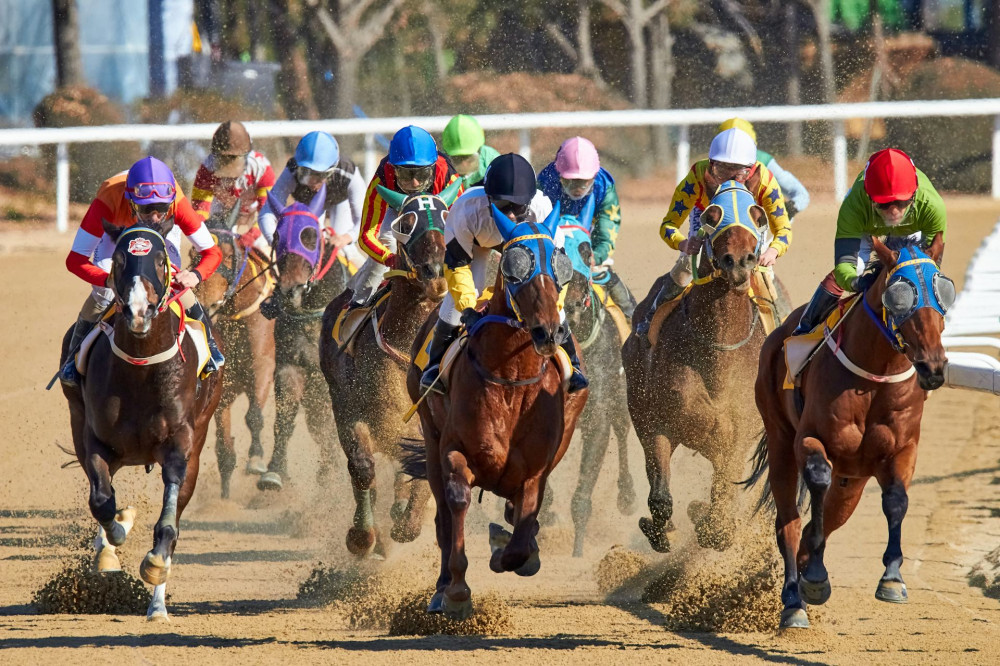
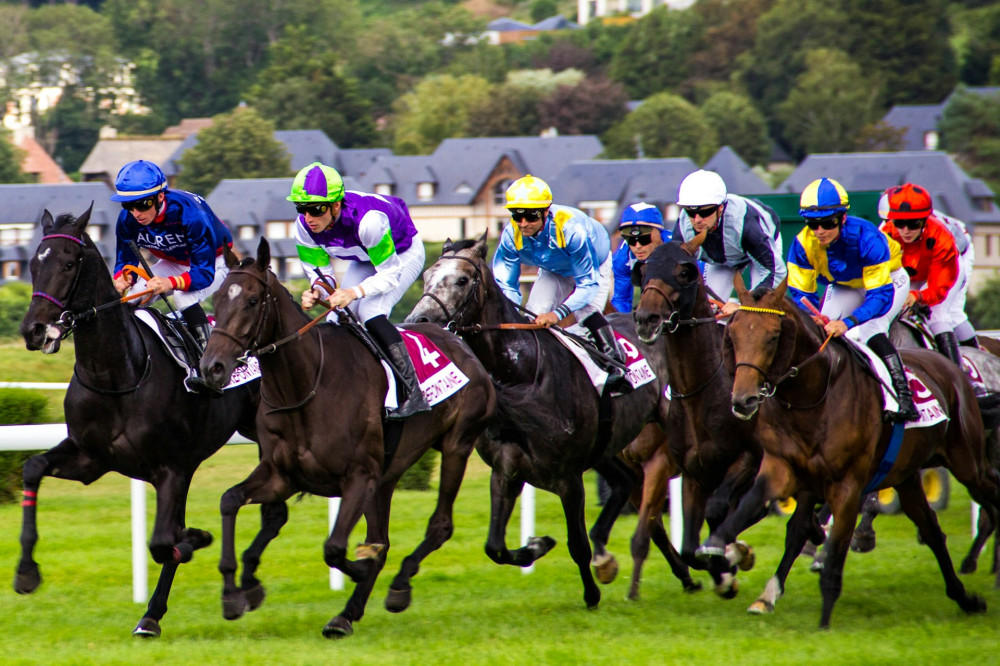
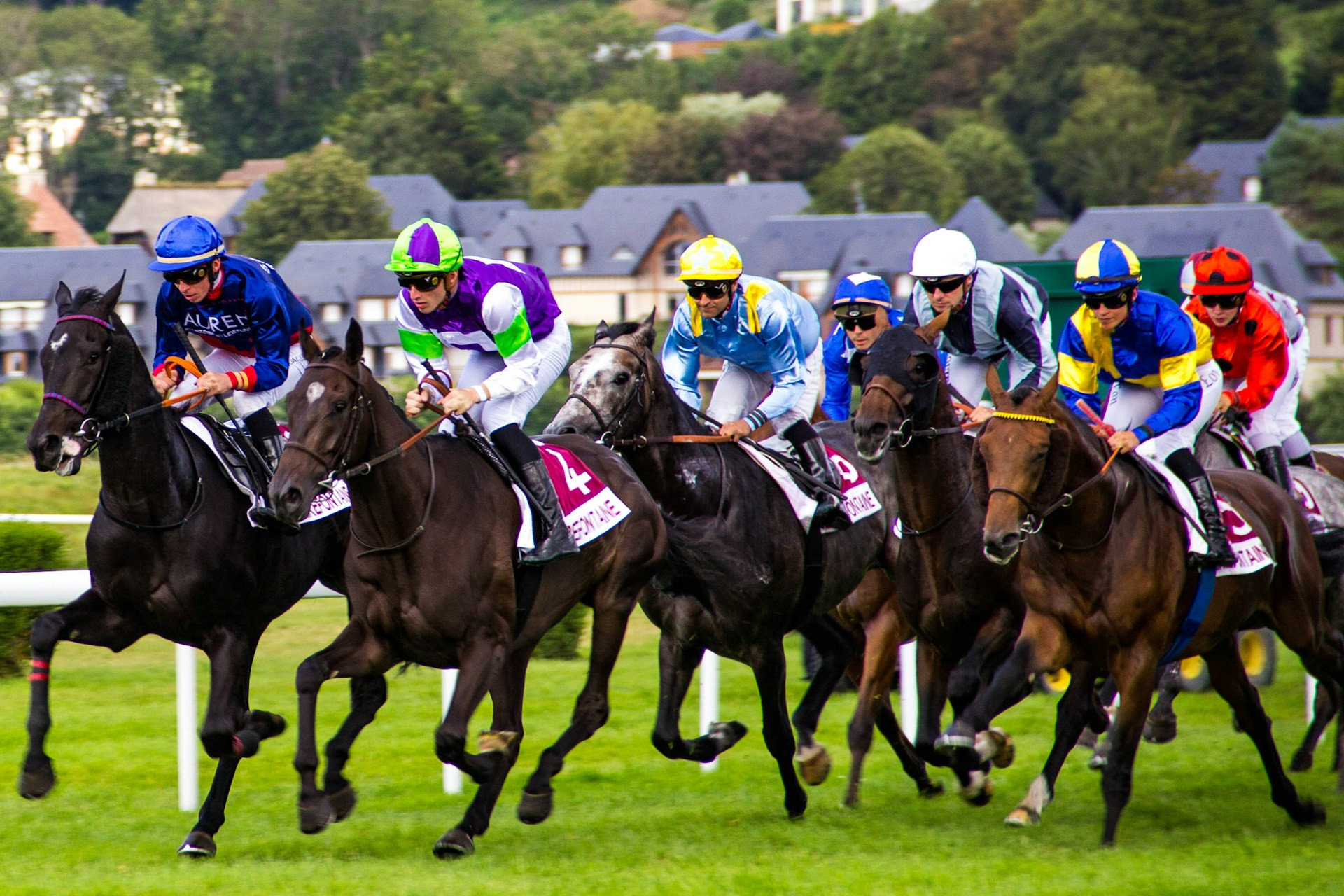
When the gates open and the horses surge forward, it’s not just speed and strength that determine the outcome. The track itself plays a crucial role for both jockeys and drivers. The surface, the weather, and the layout can all change the dynamics of a race. That’s why professionals and amateurs alike spend time studying the conditions before they finalize their strategy. Here’s a closer look at how the track shapes the race—and how riders and drivers adapt to make the most of it.
The Surface – From Fast to Sloppy
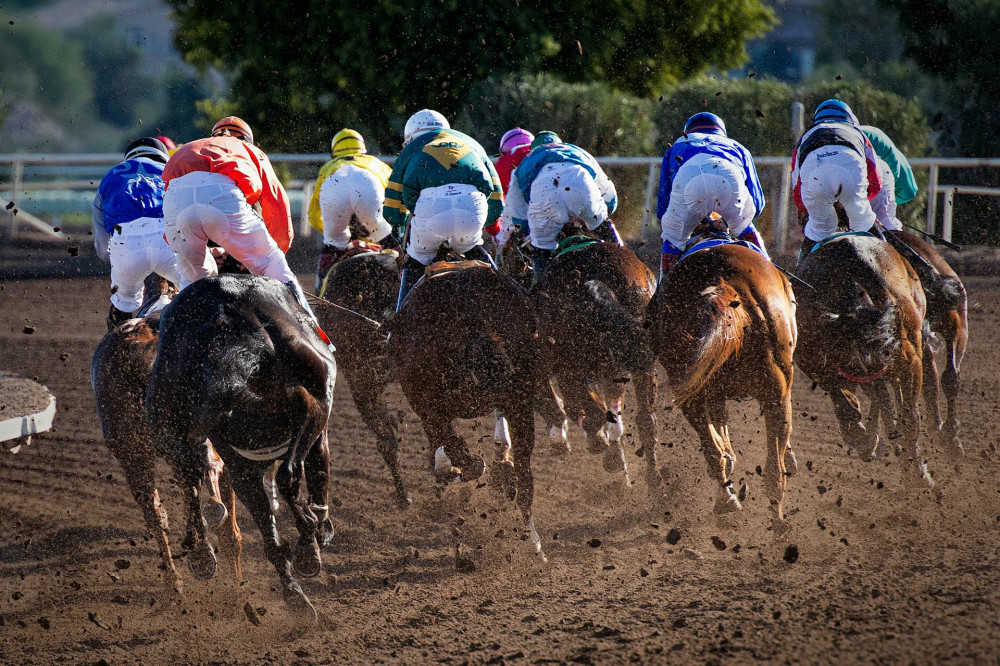
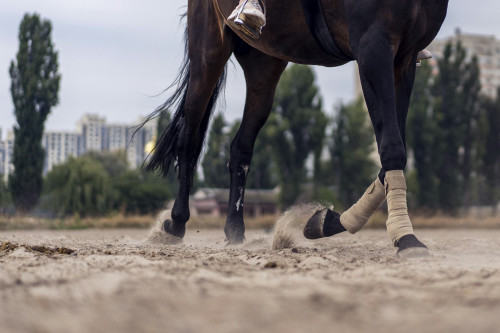
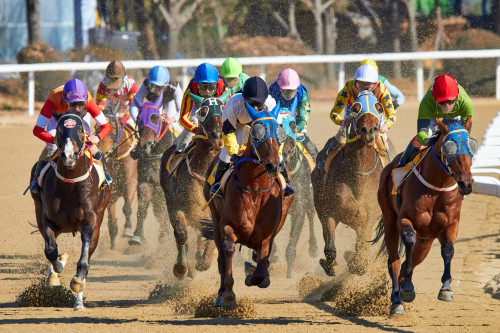
One of the most important factors in any race is the track surface. In American horse racing, tracks are often described as fast, good, muddy, or sloppy. A fast track allows for quick times but demands balance and stamina from the horse to maintain top speed. A sloppy or muddy track, on the other hand, requires more strength and endurance, as each stride takes more effort.
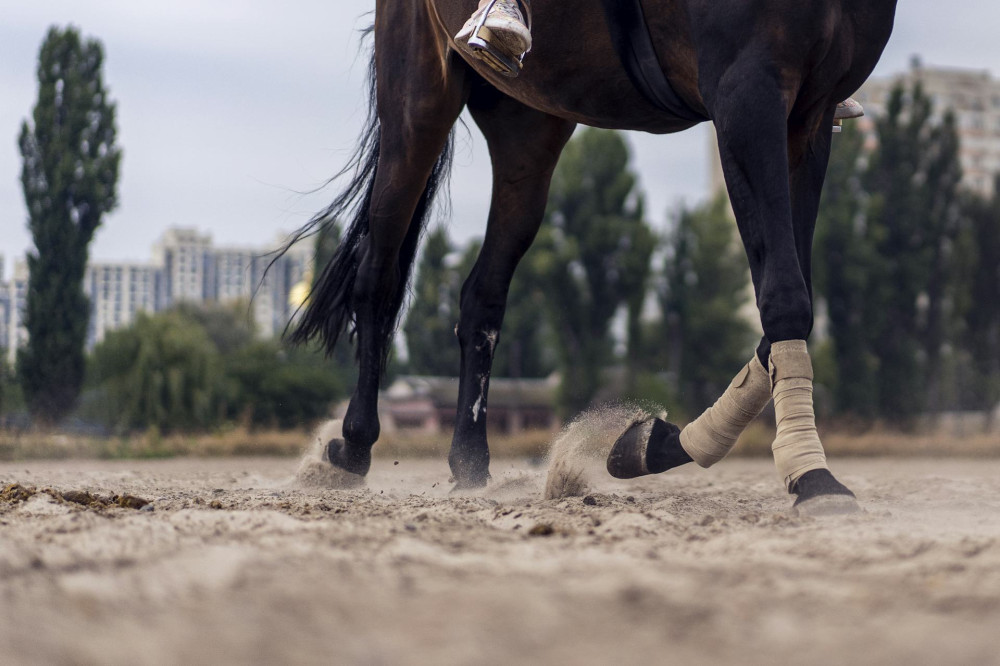
In harness racing, the surface matters just as much. A track that’s too loose or wet can make it difficult for the horse to get proper traction, while one that’s too hard can increase the risk of injury. Drivers and trainers often adjust shoes and equipment to match the conditions—using shoes with more grip when the track is slick, for example.
Weather as a Tactical Factor
Weather can transform a track in a matter of hours. Rain can turn a fast surface into a heavy one, while sun and wind can dry it out and make it quicker. That’s why riders and drivers keep a close eye on the forecast leading up to race day.
Some horses perform better in certain conditions. A horse that thrives on a wet track might gain an advantage on a rainy afternoon, while another that prefers firm footing could struggle. Knowing how a horse reacts to different surfaces is part of the tactical preparation—and adjusting the race plan accordingly can make all the difference.
Track Shape and Distance
No two tracks are exactly alike. Some have tight turns, others long straightaways. Some are flat, while others have subtle inclines. These variations mean that riders and drivers must tailor their strategies to each specific venue.
On tracks with short stretches to the finish line, it’s often best to be near the front early. On tracks with longer home stretches, saving energy for a late surge can pay off. In harness racing, the starting position can also be critical—an inside post might offer an early advantage but requires skill to avoid getting boxed in.
Preparation Before the Race
Before race time, jockeys and trainers often walk the track to assess the surface. They feel how firm or soft the ground is and note any uneven spots. Drivers talk with track officials and observe how the surface has changed throughout the day—especially if multiple races have already been run.
Training is also adjusted based on expected conditions. If the track is likely to be heavy, workouts may focus on building strength and endurance. If it’s expected to be fast, the emphasis might shift to speed and acceleration. The goal is to give the horse the best possible preparation for the conditions it will face.
Læs også:
Tactical Decisions During the Race
Even the best-laid plans can change once the race begins. A jockey might feel the horse slipping in a turn or reacting differently to the surface than expected. A driver might notice the pace is faster than planned and decide to hold back to conserve energy.
Experience plays a huge role here. The most seasoned riders and drivers can read both the horse and the track in real time, adjusting their tactics on the fly. That ability to adapt can be the difference between finishing in the pack and crossing the line first.
Home Track Advantage
Familiarity with a track is an advantage that can’t be overstated. Local riders and drivers who compete regularly at the same venue know exactly where the surface runs fastest and where to be cautious. They understand the turns, the stretch length, and the subtle details that can make or break a race.
That’s why horses and drivers with “home track” experience often perform better than visitors. It’s not just luck—it’s knowledge and comfort with the track’s unique character.
The Track as Part of the Game
For fans and bettors, track conditions are also key information. Many handicappers study the surface before placing their wagers. A horse that has won on a muddy track before might be a smart pick on a rainy day, while a speedster that prefers a dry surface could be the favorite under clear skies.
Understanding the track doesn’t just help riders and drivers—it helps everyone who follows the sport make more informed decisions.
A Discipline of Its Own
Planning a race is about far more than riding or driving fast. It’s a discipline that blends knowledge of the track, the weather, and the horse’s strengths into a single strategy. The best riders and drivers combine intuition with experience—and they understand that the track isn’t just the stage for the race. It’s an active player in every stride toward the finish line.
Læs også: