The Form Curve Hides the Truth: How to Spot Horses Coming Into Form


The Form Curve Hides the Truth: How to Spot Horses Coming Into Form
When you follow horse racing, it’s easy to be seduced by the form line — those neat columns of finishing positions printed in the program. But the form curve only tells part of the story. A horse can be on the verge of peak condition even if the results don’t show it yet. For those who can read the subtle signs, there are real opportunities — for trainers, owners, and bettors alike.
Here’s a guide to recognizing horses that are coming into form before everyone else catches on.
Results Can Deceive – Look Beyond the Numbers
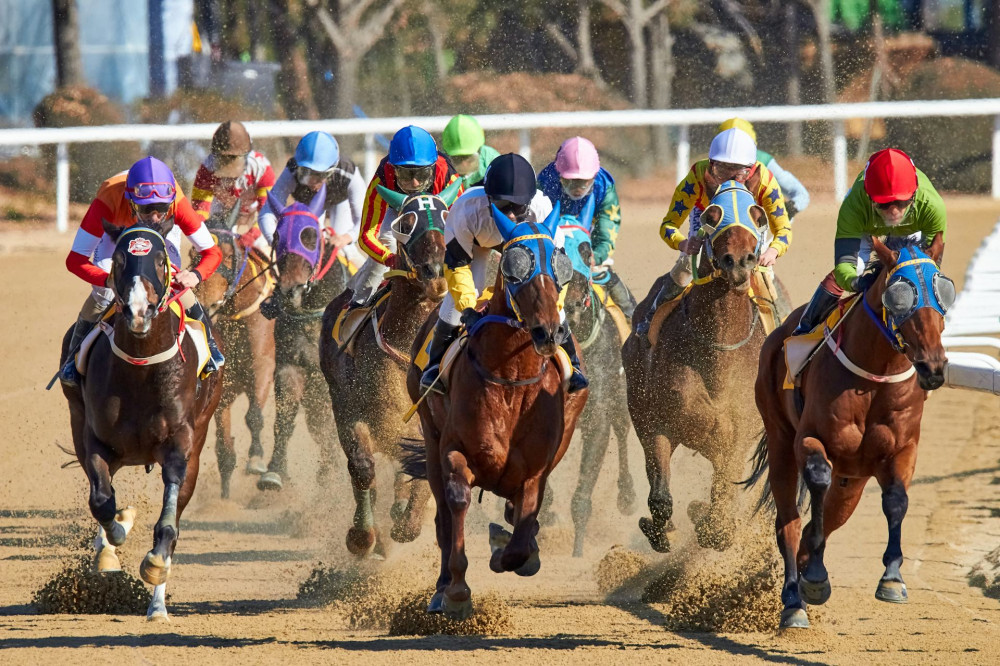
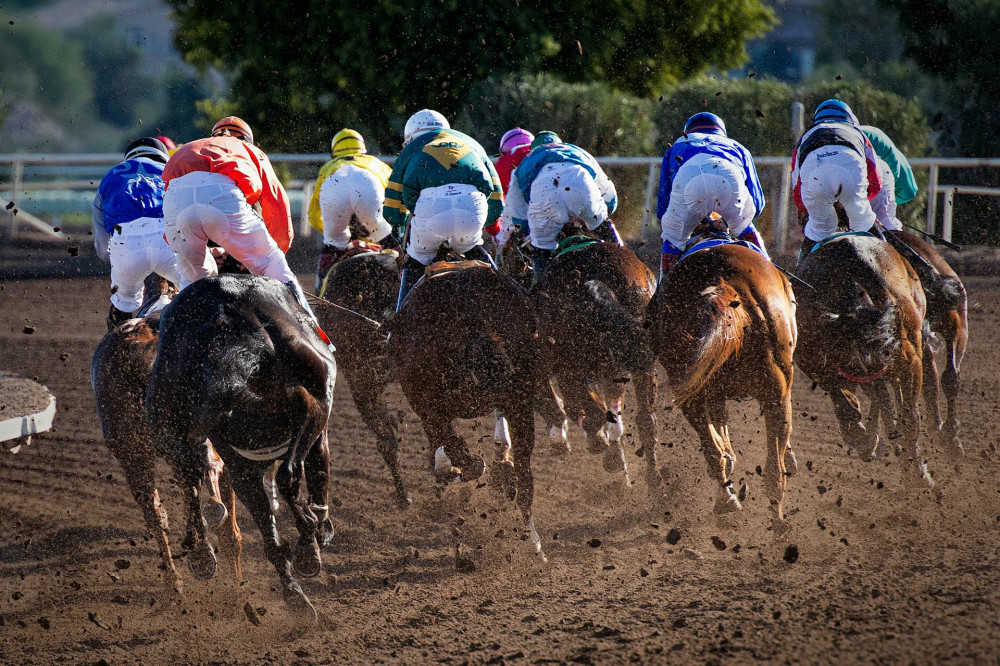
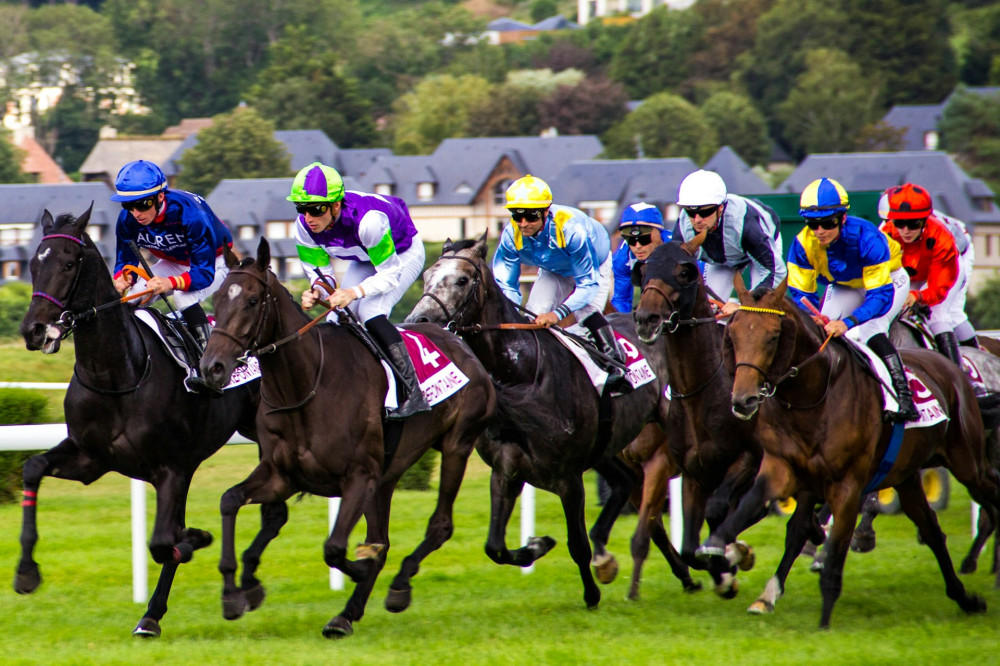
A horse that’s finished sixth, seventh, or eighth in recent starts might look unappealing at first glance. But finishing position doesn’t tell the whole story. Instead, study how the race unfolded:
- Did the horse race wide around both turns?
- Was it trapped behind tiring rivals with energy left?
- Did it make a late run after a slow start or traffic trouble?
These details reveal far more about a horse’s current condition than the raw result. A horse that finishes strongly despite a tough trip is often much closer to top form than the numbers suggest.
The Body Tells the Real Story
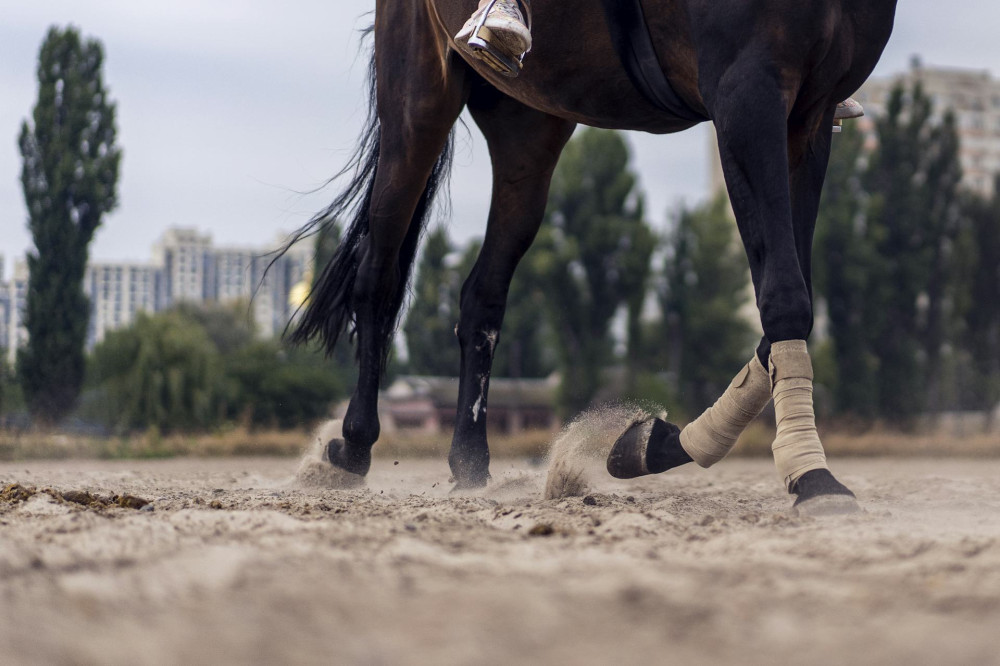
Experienced horsemen know that a horse’s physical appearance can speak volumes. A horse coming into form will often show a shiny coat, tighter muscle tone, and more energy in its stride. It moves with purpose and confidence.
At the track, watch the warm-up. A horse in improving condition will jog or gallop with rhythm and ease, showing alertness without agitation. In thoroughbred racing, you’ll see it in a smoother, more efficient action and a sense of controlled power.
Reading these signs takes practice — but it’s exactly what separates the sharp observers from the rest.
Læs også:
Trainer Patterns and Subtle Clues
Another key to spotting form improvement is understanding trainer patterns. Some trainers use early-season or comeback races to build fitness, while others aim to win right off the layoff.
Pay attention to changes in equipment, distance, or surface. When a trainer suddenly switches to blinkers, adds Lasix, or moves a horse to a preferred track or distance, it can signal that they expect a step forward.
Also note post positions and race placement. A horse that’s been stuck with poor draws but now lands a favorable gate might finally be set up to show its true ability.
The Mental Edge – The Invisible Factor
Form isn’t just physical. A horse’s mental state plays a huge role in performance. A horse that’s mentally sharp eats well, rests calmly, and responds positively to training. On race day, it shows focus and willingness — ears pricked, traveling smoothly, and reacting quickly to the rider’s cues.
Conversely, a horse that’s anxious, fighting the bit, or losing concentration may be going the wrong way, even if recent results still look decent.
Assessing mental condition takes time and observation — in the paddock, during the post parade, and in the race itself.
Data and Sectionals – When Instinct Meets Numbers
While the eye test is crucial, data can add another layer of insight. Many serious handicappers use sectional times and speed figures to find horses running better than their finishing positions indicate.
A horse that posts a fast final quarter or a strong late pace figure, yet finishes out of the money, is often signaling improving form. Combine that with visual notes from the race, and you can uncover horses ready to peak before the betting public catches on.
Patience Pays Off
Spotting a horse coming into form is all about timing. Bet too early, and the horse might still be one race away. Wait too long, and everyone else will have noticed — and the odds will shrink.
The key is to track progress closely and strike when the puzzle pieces align: better post, ideal distance, and positive signals from both horse and trainer.
When you catch a horse right as it hits top form — before the market does — that’s where the real value lies.
The Form Curve Shows Only the Surface
The form curve in the program is a useful tool, but it only shows what has already happened. To understand what is about to happen, you have to look deeper.
By combining observation, data, and knowledge of a horse’s development, you can uncover the hidden gems — the ones ready to break through.
And that’s the difference between the casual fan and the true student of the game — the one who sees beyond the numbers to the story unfolding beneath them.
Læs også: