Behind the Scenes: How Bookmakers Set and Adjust Odds in Horse Racing
Behind the Scenes: How Bookmakers Set and Adjust Odds in Horse Racing
When you watch a horse race and think about placing a bet, the first thing you notice is the odds. But how are those numbers actually created? Behind the seemingly simple figures lies a complex mix of data analysis, market behavior, and human judgment. Bookmakers constantly work to balance risk, anticipate bettor behavior, and respond to new information—all to ensure their business remains profitable no matter which horse crosses the finish line first.
From Probability to Odds
Every set of odds begins with an assessment of each horse’s chance of winning. Bookmakers start by analyzing a wide range of factors:
- Past performance – how the horse has performed in previous races, especially under similar track conditions.
- Jockey and trainer – certain pairings have proven success rates that influence the evaluation.
- Track and weather conditions – some horses excel on dirt, others on turf, and weather can change everything.
- Post position and distance – small details that can have a big impact on the outcome.
Once the bookmaker estimates each horse’s probability of winning, that probability is converted into odds. For example, a 25% chance of winning translates to odds of 3-to-1 (or +300 in American format). But the bookmaker’s job doesn’t end there—the goal isn’t just to reflect probability, but also to build in a margin that ensures profit.
The Bookmaker’s Margin – The Hidden Edge
Bookmakers include what’s known as an overround—a built-in percentage that ensures the total implied probabilities of all horses add up to more than 100%. This margin guarantees that, over time, the bookmaker maintains an advantage.
For instance, if four horses each have a true 25% chance of winning, fair odds would be 3-to-1. But a bookmaker might instead offer 11/4, 5/2, 3-to-1, and 10/3. The total implied probability now exceeds 100%, and that difference represents the bookmaker’s profit margin.
The size of this margin varies depending on the race, the level of competition, and the bookmaker’s strategy—but it’s always there. It’s what allows the industry to stay in business.
Læs også:
The Market Speaks – Odds in Motion
Once odds are posted, the market begins to react. Bettors place their wagers, and bookmakers closely monitor where the money is going. If a large volume of bets comes in on one horse, the bookmaker will shorten that horse’s odds to limit potential losses. At the same time, odds on less popular horses may lengthen to attract more bets and restore balance.
This process, known as real-time odds adjustment, works much like the stock market: prices move as supply and demand shift. In major races like the Kentucky Derby or the Breeders’ Cup, odds can fluctuate dramatically in the hours leading up to post time—especially if new information emerges about a horse’s health, a jockey change, or a sudden weather shift.
Data, Algorithms, and Human Intuition
Modern bookmakers rely heavily on data analytics and sophisticated algorithms to calculate odds. These systems process thousands of data points—race times, weight carried, track history, even GPS data from previous races.
Yet, despite all the technology, human intuition still plays a crucial role. Experienced oddsmakers understand how the betting public is likely to react. A horse with a famous jockey or a catchy name might attract more bets than its true chances justify, and bookmakers adjust accordingly. Balancing statistical accuracy with market psychology is part science, part art.
When Odds Shift at the Last Minute
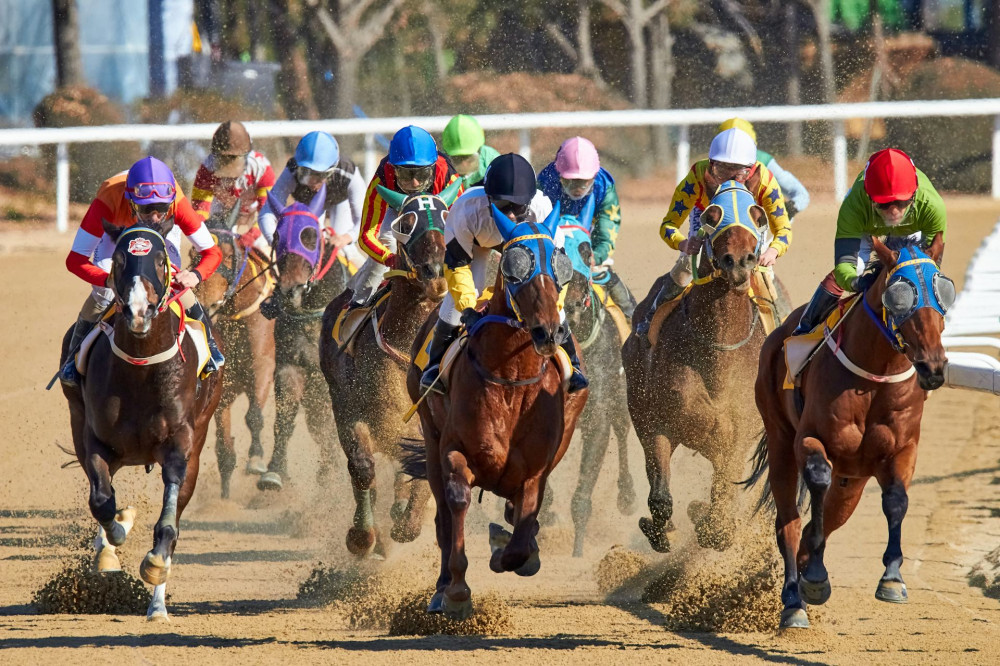
In horse racing, odds can change right up until the gates open. If a favorite is scratched or the track condition changes from fast to sloppy, the entire market can shift within minutes. Bookmakers must react quickly to avoid unbalanced books, while sharp bettors who follow the market closely may seize these moments to find value.
In some cases, odds continue to move even after the race begins—especially in live betting, where wagers can be placed as the race unfolds. Here, odds update in real time based on the horses’ positions and pace, creating a fast-moving, high-stakes environment.
Balancing Risk and Profit
The bookmaker’s greatest challenge is finding the sweet spot between offering attractive odds and protecting against large losses. Ideally, bets are spread evenly across the field so that no matter which horse wins, the bookmaker’s payout remains manageable.
Of course, it doesn’t always work perfectly. Sometimes a heavily backed favorite wins, and bookmakers pay out big. Other times, a longshot surprises everyone, and the bookmaker enjoys a strong profit. Over time, though, the built-in margin and constant odds adjustments keep the business sustainable.
A World of Strategy and Psychology
Setting odds isn’t just about numbers—it’s also about understanding people. Bookmakers study how bettors think, what kinds of risks they’re willing to take, and how they respond to trends. Some bettors love favorites; others chase big payouts on outsiders. By anticipating these behaviors, bookmakers can fine-tune odds to keep the market balanced.
For curious fans, watching how odds move can be as fascinating as the race itself. It offers a glimpse into a world where data, psychology, and strategy intersect—a world where both horses and humans are racing, each in their own way, toward the finish line.
Læs også: