Team Time Trial Explained: What Determines Team Time Trial Bets?

Team Time Trial Explained: What Determines Team Time Trial Bets?
The team time trial is one of the most technically demanding events in professional cycling—and one of the most intriguing for bettors. It’s not about sprint finishes or mountain attacks, but about precision, coordination, and collective power. In this article, we’ll break down what a team time trial (TTT) is, how it works, and which factors matter most when placing bets on this unique discipline.
What Is a Team Time Trial?
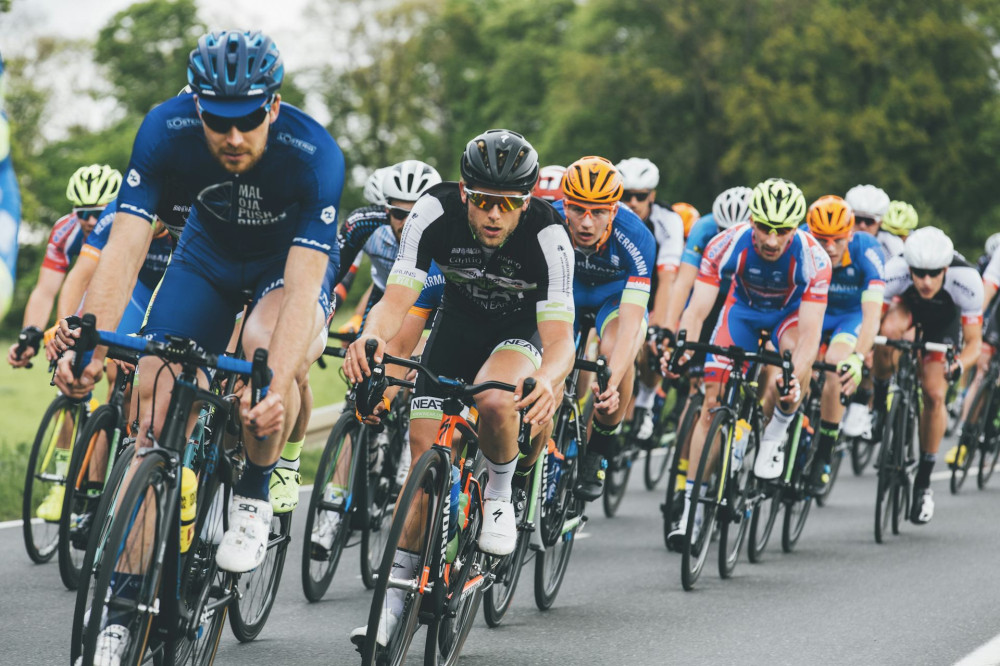
In a team time trial, an entire cycling team races against the clock. All riders start together, and the team’s time is recorded when a specific rider—usually the fourth to cross the line—finishes the course. Unlike an individual time trial, where a single rider battles the wind alone, the TTT is all about teamwork and aerodynamics.
Teams typically consist of four to eight riders, depending on the race rules. The challenge lies in maintaining maximum speed while keeping enough riders together to record a strong finishing time. Losing too many riders early can be costly, even if the pace is high.
How the Race Works
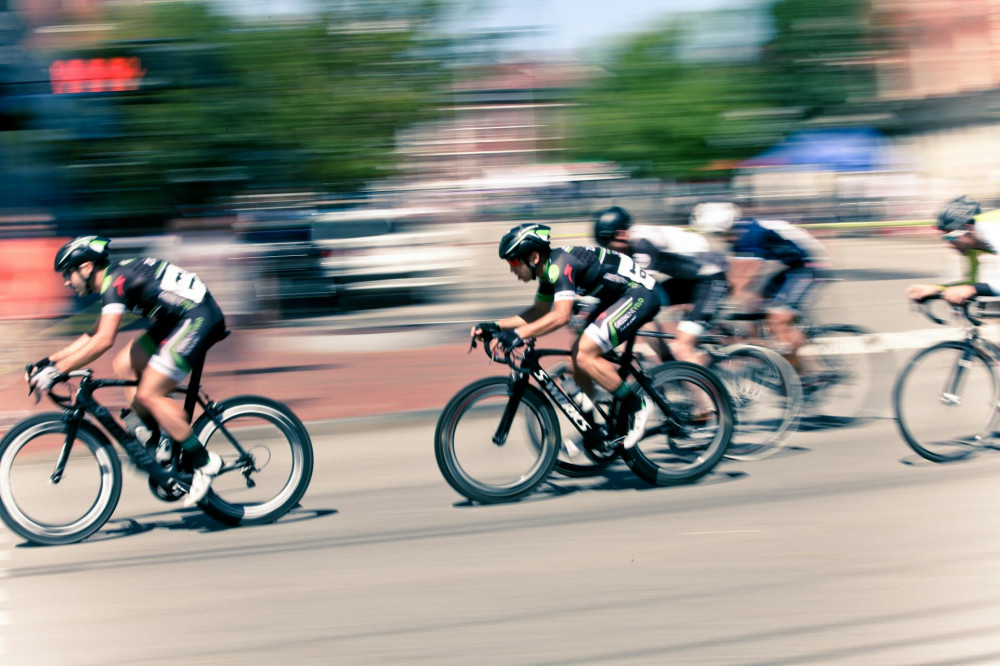
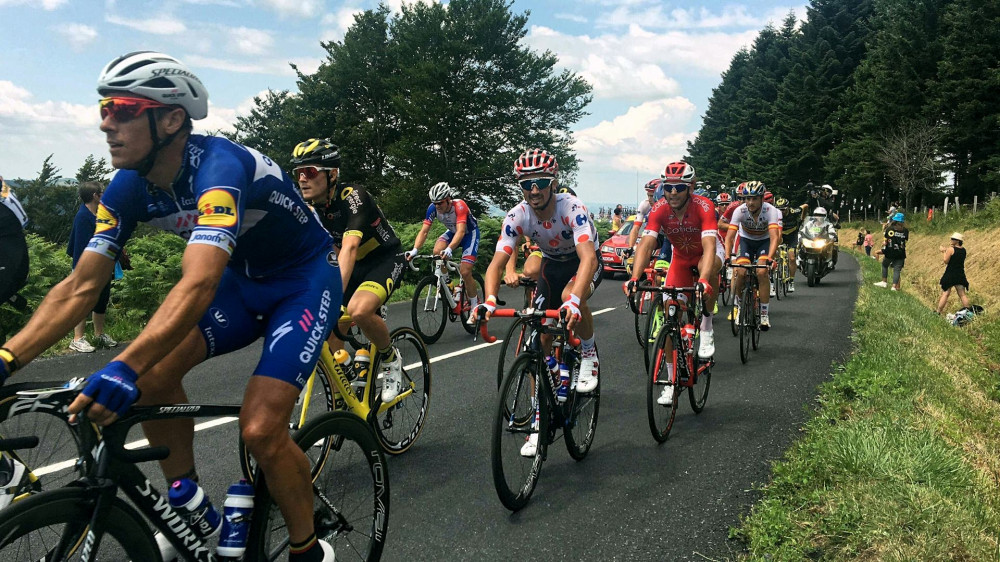
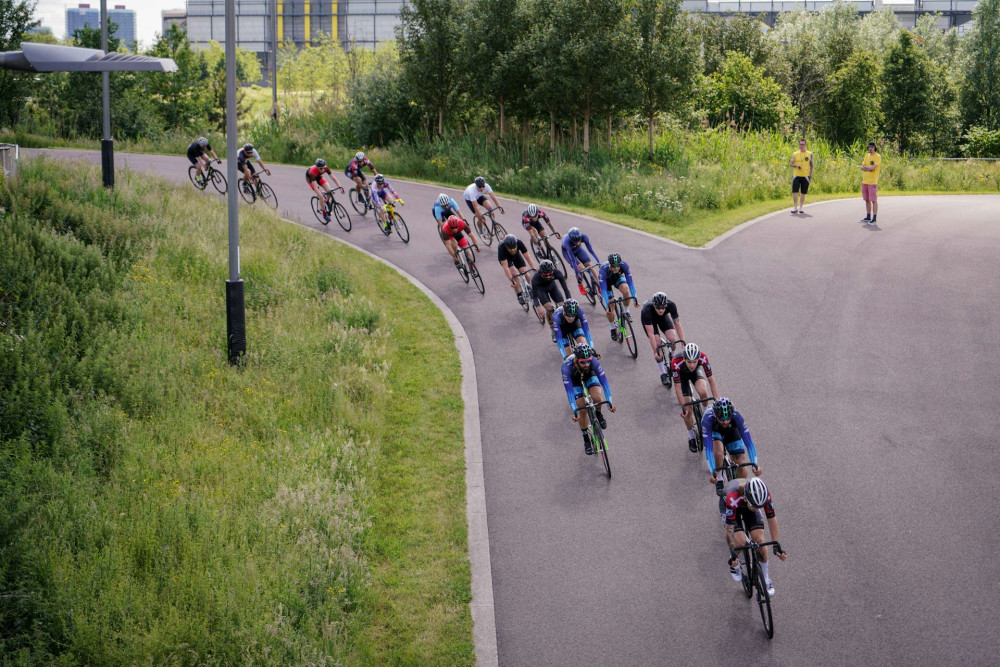
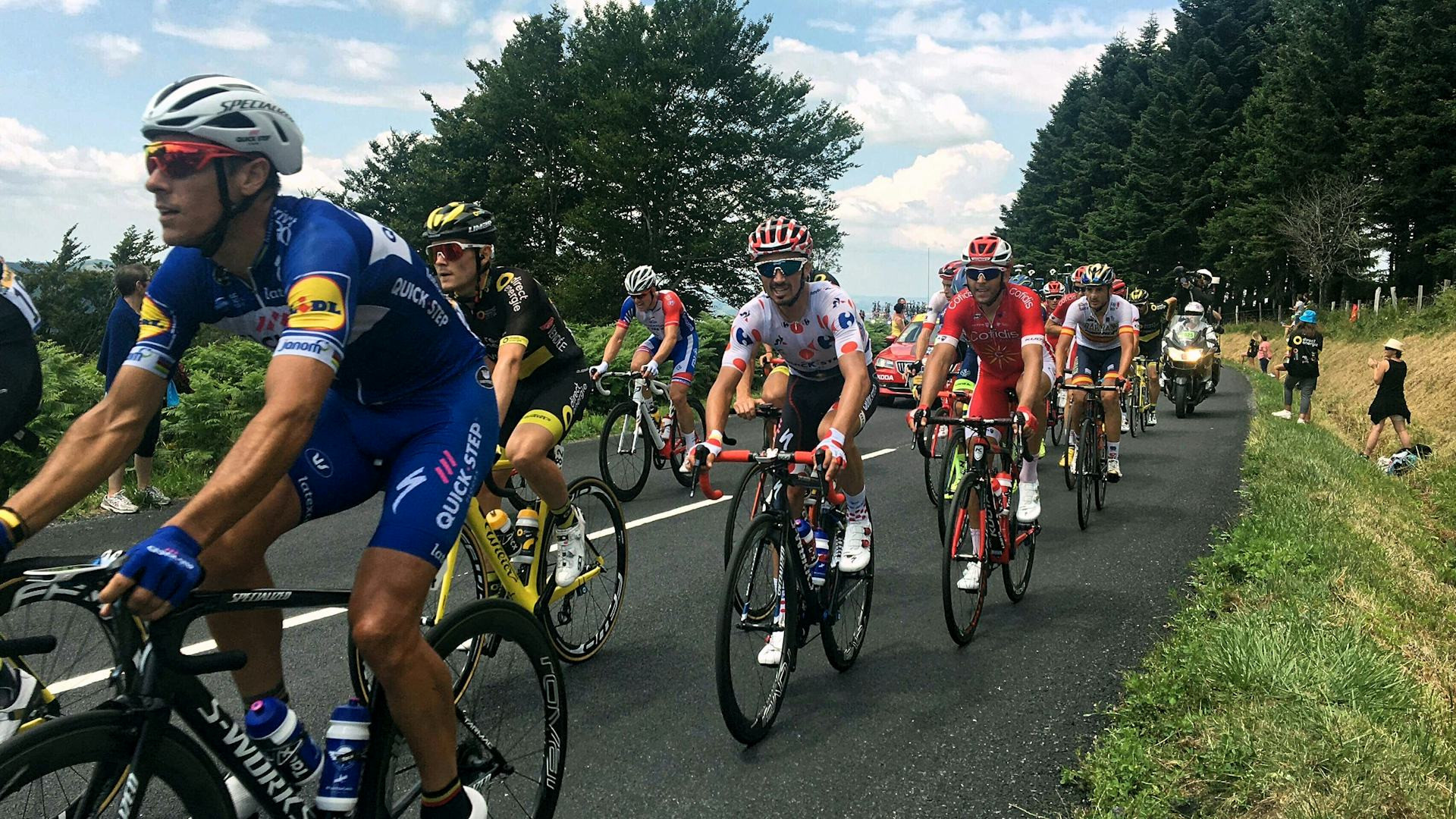
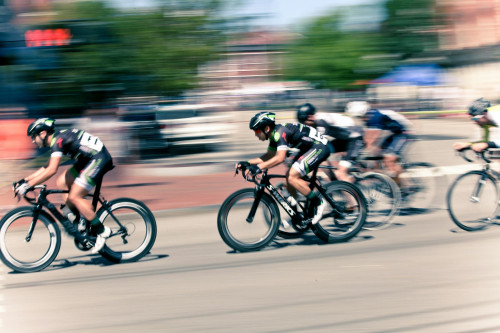
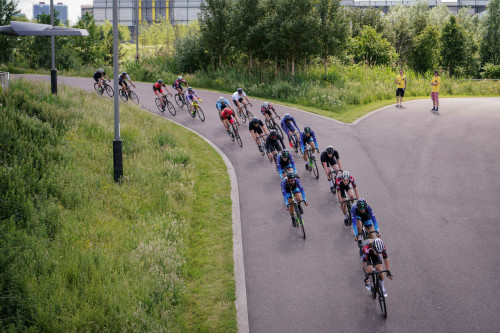
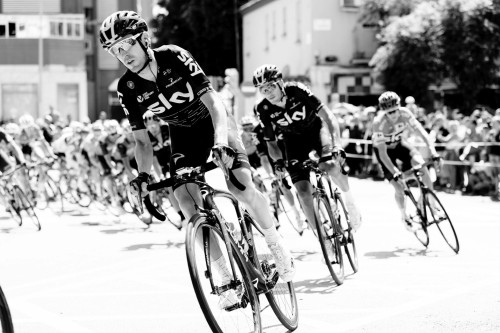
A team time trial takes place on a set course, often between 12 and 40 miles (20–60 kilometers). Riders take turns at the front, where they face the wind and set the pace. After a short pull, the lead rider moves aside and drifts to the back of the line, allowing the next teammate to take over.
Timing and communication are everything. If a team starts too fast, they risk burning out riders before the finish. If they start too conservatively, they may lose valuable seconds that can’t be recovered later. The best teams know exactly how to balance effort, rotation, and recovery.
Læs også:
What Determines the Result?
Several key factors influence who wins a team time trial—and, by extension, how bets play out.
- Teamwork and rhythm: Smooth rotations and consistent pacing are crucial. Even small gaps or miscommunications can cost seconds.
- Rider types: Teams with strong time trial specialists—riders who can sustain high power for long periods—tend to perform best. Pure climbers or sprinters often struggle to contribute on flat, fast courses.
- Equipment and aerodynamics: In time trials, gear matters. Aerodynamic bikes, helmets, and skinsuits can make a measurable difference. Top teams invest heavily in wind tunnel testing and data analysis to optimize every detail.
- Weather and wind: Headwinds, crosswinds, or rain can dramatically affect performance. Teams that handle tough conditions well can gain an edge.
- Course profile: Flat routes favor powerful riders, while rolling or technical courses reward teams with better bike handling and endurance.
Betting on Team Time Trials – What to Look For
When betting on a TTT, it’s all about understanding the collective strength of the team. Individual star power matters less than how well the riders work together.
- Team composition: Check which riders are starting. A lineup stacked with time trial specialists is a strong indicator of success.
- Form and motivation: Some teams target the TTT as a key stage, especially in races like the Tour de France or Giro d’Italia, where an early win can secure the leader’s jersey. Others may treat it as a formality.
- Past performance: Historical data is valuable. Teams like Ineos Grenadiers, Jumbo-Visma, and UAE Team Emirates have a proven track record in this discipline.
- Weather conditions: Wind direction and temperature can influence results. Early starters might benefit if conditions worsen later in the day.
- Tactical choices: Some teams sacrifice one or two riders early to maintain a higher pace. It’s a risky strategy that can pay off—or backfire—depending on execution.
Examples from Major Races
Team time trials often feature in major stage races such as the Tour de France, Giro d’Italia, and Vuelta a España. A strong TTT performance can propel a team leader into the overall race lead from day one, while a poor showing can put them on the back foot immediately.
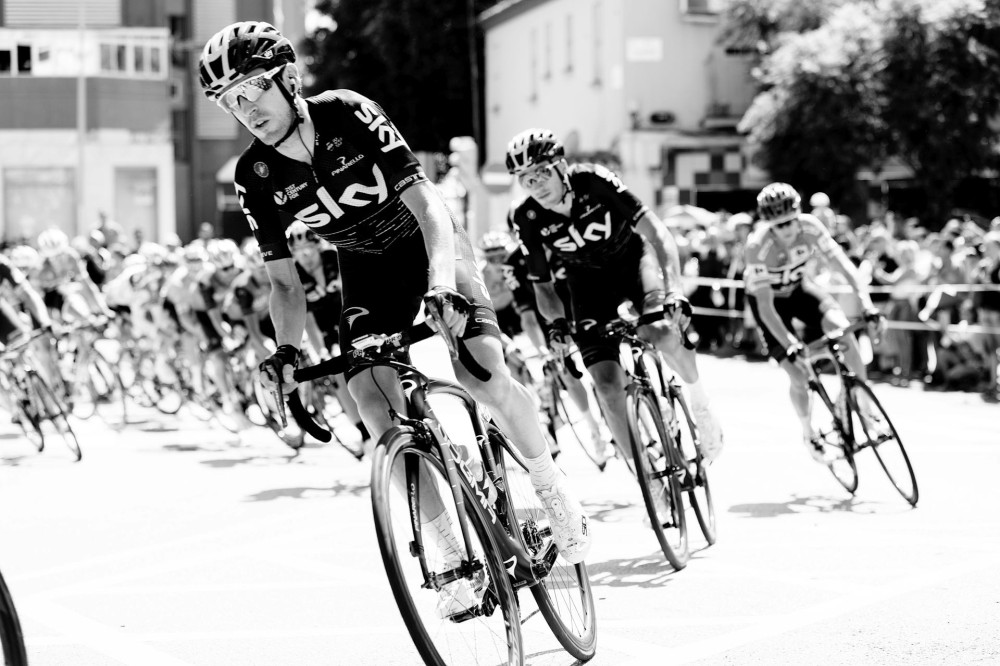
For instance, in the 2019 Tour de France, Team Ineos dominated the TTT, setting up Egan Bernal’s eventual overall victory. It was a clear demonstration of how teamwork and preparation can shape the outcome of an entire race—and how bettors who understood those dynamics could spot value early.
A Discipline for the Strategically Minded
The team time trial may not deliver the same visual drama as a mountain stage or a sprint finish, but for those who appreciate the finer details of cycling, it’s a fascinating test of precision and unity. It’s where strategy, technology, and teamwork converge—and where small differences can decide big results.
For bettors, the TTT rewards knowledge and analysis. The more you understand about team dynamics, course profiles, and conditions, the better your chances of predicting which team will strike the perfect balance between speed and cohesion.
Læs også: