Bookmakers’ Adaptation: The Season’s Many Types of Cycling Races


Bookmakers’ Adaptation: The Season’s Many Types of Cycling Races
Cycling is one of the most unpredictable and multifaceted sports in the world, and that makes it a constant challenge for bookmakers. From the cobblestone classics of spring to the three-week Grand Tours in summer and the World Championships in the fall, oddsmakers must continuously adjust their models. Each race type has its own rhythm, tactics, and favorites — and keeping up requires both insight and flexibility.
From Cobbles to Mountains – Different Races, Different Challenges
The cycling season stretches across more than half the year and features a wide variety of race formats. For bookmakers, that means understanding how terrain, weather, and team strategy influence outcomes.
- Spring Classics like Paris-Roubaix and the Tour of Flanders are defined by rough cobblestones, wind, and chaos. Crashes and punctures can change everything in seconds, and underdogs often have a better shot than in more controlled races.
- Stage Races such as Paris-Nice and the Critérium du Dauphiné serve as warm-ups for the Grand Tours. These events give bookmakers valuable data on riders’ form, which directly affects odds for the summer’s marquee races.
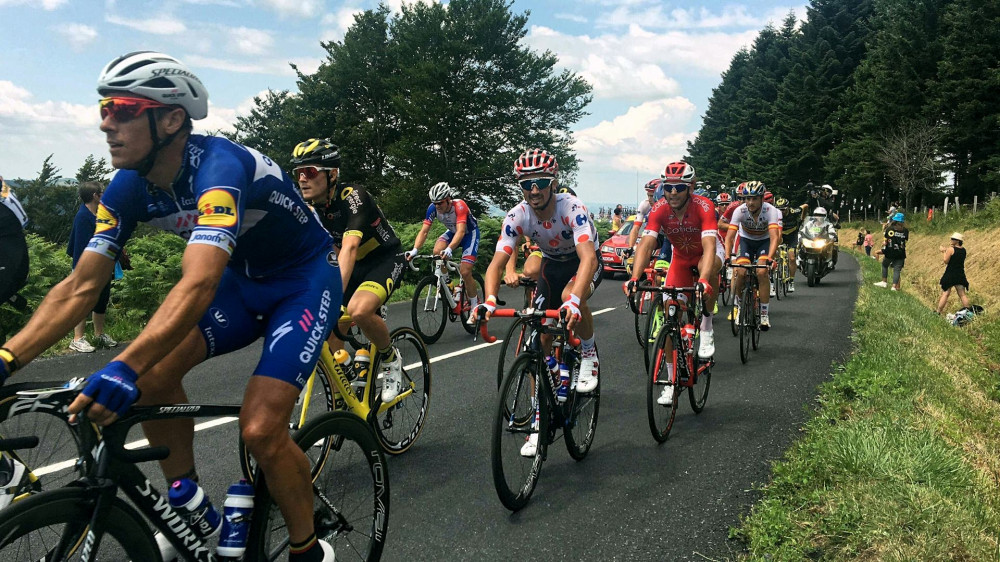
- Grand Tours — the Giro d’Italia, Tour de France, and Vuelta a España — require a completely different approach. Endurance, recovery, team tactics, and mountain profiles all play major roles. A rider might be favored for a single stage but not for the overall victory.
- Autumn Races like Il Lombardia and the World Championships are more tactical and often shaped by fatigue after a long season. Predicting who will peak at the right time becomes a real challenge.
Data, Form, and Weather – The Hidden Factors Behind the Odds
Modern bookmakers rely heavily on data analytics. GPS tracking, power meter readings, and historical performance data are used to assess riders’ form and likelihood of success. Yet even with advanced algorithms, intuition and experience still matter.
Weather remains one of the most unpredictable variables. Rain and wind can completely alter a race’s character — especially in the classics. That’s why odds often shift in the hours before the start, as forecasts become more precise.
Team dynamics also play a crucial role. A rider who usually works as a domestique might suddenly get a free role if the team leader crashes or falls ill. Bookmakers must react quickly, updating markets in real time to reflect these changes.
Læs også:



Live Betting and New Markets
Cycling used to be a sport where most bets focused on the overall winner. But as the sport’s popularity has grown, bookmakers have expanded their offerings. Today, bettors can wager on everything from stage victories and mountain points to head-to-head matchups between riders.
Live betting has also become increasingly popular. During stage races, odds can shift minute by minute depending on breakaways, crashes, and time gaps. This demands advanced technology and analytical capacity — but it also gives fans a more dynamic and engaging experience.
The Role of Technology in Bookmakers’ Adaptation
Leading betting companies now use machine learning and artificial intelligence to predict race outcomes. These systems analyze thousands of data points — from riders’ heart rate data to weather forecasts and historical performances on specific climbs.
But technology alone isn’t enough. Many bookmakers collaborate with former riders and cycling experts who can interpret the tactical nuances that algorithms still struggle to capture. For instance, a team with multiple strong riders might sacrifice individual stage wins to secure a high overall placement — a decision that raw data doesn’t always reveal.
A Sport in Constant Motion – and Odds That Keep Up
Cycling is constantly evolving. New race formats, changing routes, and the rise of young talents mean bookmakers must stay ahead of the curve. Where odds once relied heavily on historical patterns, today’s cycling demands a more dynamic approach.
For bettors, that makes the market both more exciting and more complex. Understanding the difference between a cobblestone classic and a mountain stage is no longer just for cycling enthusiasts — it’s also key to understanding how odds move.
Bookmakers’ adaptation to the season’s many types of cycling races shows how sport and technology are merging. It’s not just about predicting the winner, but about grasping the rhythm, tactics, and subtle details that make cycling so captivating — both on the road and in the betting markets.
Læs også: