When Data Meets Intuition: Combining Observations and Statistics in Driver Analysis and Motorsports Betting

When Data Meets Intuition: Combining Observations and Statistics in Driver Analysis and Motorsports Betting
Motorsports is a world where milliseconds decide glory or defeat. For teams, analysts, and betting enthusiasts alike, understanding how data and human intuition interact is key. In an era where sensors, telemetry, and algorithms generate massive amounts of information, it’s still the human ability to interpret and sense patterns that often makes the difference.
This article explores how you can combine observation and statistics when analyzing drivers and predicting race outcomes—whether you’re a fan, an analyst, or a bettor.
Statistics as the Foundation
Data analysis in motorsports is about uncovering patterns in performance. Modern races produce thousands of data points: lap times, tire wear, fuel strategy, weather conditions, and pit stop efficiency.
For bettors, focusing on a few key metrics can be especially useful:
- Qualifying positions – often a strong indicator of race results, particularly on tracks where overtaking is difficult.
- Lap time consistency – reveals how stable a driver is under pressure.
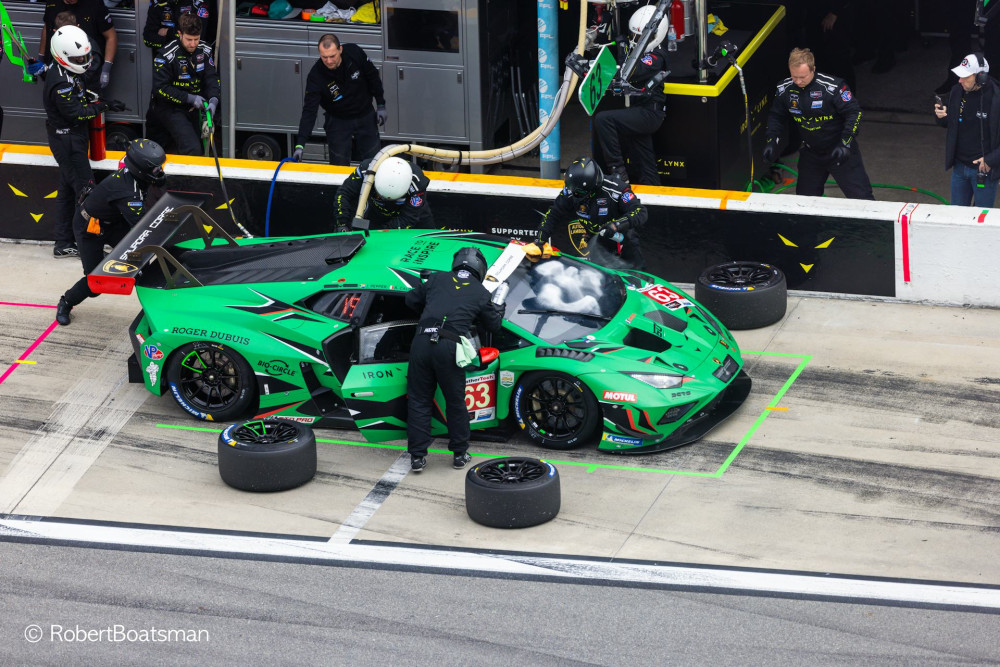
- Team pit stop times – small differences can determine podium finishes.
- Historical performance on specific tracks – some drivers excel on certain layouts or surfaces.
By collecting and comparing these data points over time, you can build an objective picture of who has momentum and where the probability of success is highest.
Intuition as the Human Compass
But statistics don’t tell the whole story. Motorsports is also a game of emotions, form, and unpredictable events. That’s where intuition comes in.
Experienced observers can often sense when a driver “has something extra”—a calmness under pressure, an aggressive style that suits a particular circuit, or an ability to capitalize on others’ mistakes.
Intuition is built on experience and observation: how a driver reacts in wheel-to-wheel battles, how the team communicates over the radio, or how weather changes affect strategy. These are the subtle details that algorithms still struggle to capture.
When Data and Intuition Meet
The most accurate analysis happens when data and intuition complement each other. Statistics can point you toward likely outcomes, while intuition helps you recognize when the numbers don’t tell the full story.
For example, a driver may have shown consistent top-five finishes all season, but you notice that the team has faced technical issues during practice for the upcoming race. The data says “reliable contender,” but your observation says “potential risk.” Here, intuition helps you adjust your assessment—and perhaps spot value before the market reacts.
Using the Right Tools
Today, a wide range of tools can help you merge data and observation:
- Official telemetry data from series like Formula 1, IndyCar, or MotoGP provides insights into speed, acceleration, and braking points.
- Historical databases track performance trends across seasons and track types.
- Video analysis allows you to study driver lines, overtakes, and decision-making in detail.
- Social media and press briefings can reveal team morale or internal tension that numbers alone can’t show.
By combining multiple sources, you gain a more nuanced understanding—and can make more informed decisions.
Learn from Your Own Analysis
No matter how much data you have, it’s essential to evaluate your own reasoning. Note which factors you emphasized and how they influenced the outcome. Over time, you’ll identify patterns in your own successes and mistakes—refining the balance between analysis and intuition.
This process helps you develop your own “driver sense”—a blend of numbers, experience, and instinct that improves your ability to predict how races unfold.
Læs også:
A Discipline in Constant Evolution
Motorsports and betting evolve rapidly. New technologies, rule changes, and unpredictable weather mean no model is ever perfect. But by combining the best of both worlds—the precision of data and the insight of intuition—you can build a stronger foundation for your analysis.
In the end, it’s not just about predicting the winner. It’s about understanding the game behind the speed: how people, machines, and decisions merge in the pursuit of the perfect race.
Læs også: