Pit Stops and Tire Choice – The Key Factors Behind the Race Outcome

Pit Stops and Tire Choice – The Key Factors Behind the Race Outcome
In the world of motorsports, victories are often decided by margins of mere seconds. While speed and driver skill naturally take center stage, it’s often pit stops and tire strategy that quietly determine who ends up on the top step of the podium. A perfectly timed stop can turn a third-place run into a win, while a poor tire choice at the wrong moment can undo an entire race plan. Let’s take a closer look at why these two factors are so crucial and how teams in modern racing—especially in Formula 1 and IndyCar—use them to gain a competitive edge.
The Pit Stop – Seconds That Can Change Everything
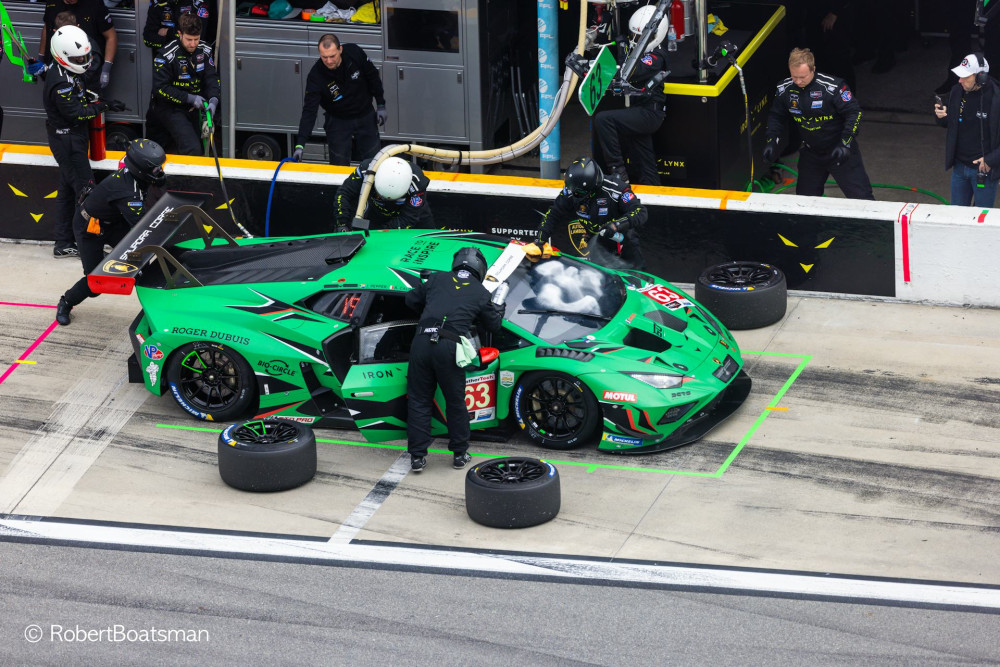
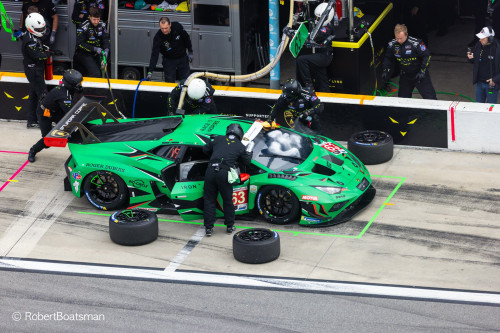
A pit stop is far more than just a tire change. It’s a precisely choreographed performance where every crew member has a specific role. In Formula 1, a flawless stop can take less than three seconds, but behind those few seconds lie countless hours of practice, planning, and data analysis.
A pit stop can serve several purposes:
- Tire changes to adapt to track conditions or strategy
- Refueling (in series like IndyCar, where it’s still allowed)
- Adjustments or repairs to optimize performance or fix damage
Timing is everything. Pitting too early can mean running out of tire life before the finish, while pitting too late can cost valuable time on worn rubber. Engineers constantly monitor tire wear, lap times, and track position to find the perfect window for a stop. In a sport where milliseconds matter, a well-executed pit stop can make or break a race.
Tire Choice – The Art of Reading the Track
Tires are the car’s only contact with the track, and choosing the right compound can be the difference between grip and slide. Most racing series offer multiple tire types, each with its own strengths and weaknesses:
- Soft tires – maximum grip, but wear out quickly
- Medium tires – a balance between speed and durability
- Hard tires – last longer, but offer less grip
- Intermediate and wet tires – for damp or rainy conditions
The right choice depends on temperature, track surface, weather forecasts, and even what competitors are doing. A bold tire call can win a race—but if conditions change unexpectedly, it can also ruin one. Teams rely on both data and intuition to make these split-second decisions.
The Strategy Behind the Decisions
Behind every pit stop and tire call is a team of strategists and data analysts. They use advanced simulation tools to predict how a race might unfold, factoring in everything from potential safety car periods to rival strategies.
A common tactic is the undercut—pitting earlier than a rival to get fresh tires and run faster laps, hoping to overtake when the opponent pits later. If timed perfectly, it can flip track position without an on-track battle. The overcut, on the other hand, involves staying out longer to take advantage of clean air or better tire performance. Both approaches require precise timing, confidence, and a bit of luck.
Læs også:
Weather – The Unpredictable Game Changer
Even the best-laid plans can fall apart when the weather turns. Rain is motorsport’s great equalizer. A sudden shower can force teams to switch to wet tires, rewarding those who react fastest.
One of the toughest calls comes when the track begins to dry: stay on wet tires and risk overheating, or switch to slicks and hope it’s not too soon? Many legendary races have been decided in these moments, where instinct and courage matter just as much as data.
When Everything Comes Together
The most successful teams are those that combine lightning-fast pit stops, smart tire choices, and flexible strategy. It takes communication, trust, and the ability to make high-pressure decisions in real time. When it all comes together, it looks effortless—but behind the scenes, it’s the result of meticulous preparation and teamwork at the highest level.
To the casual fan, pit stops and tire choices might seem like small details. But in motorsport, it’s precisely these details that decide who wins and who loses. They’re not just technical necessities—they’re the very heart of race strategy and the key to understanding how every race unfolds.
Læs også: