What Do the Odds Tell Us? The Market’s Confidence in Team Performance Over Time

What Do the Odds Tell Us? The Market’s Confidence in Team Performance Over Time
When we talk about sports, we often focus on passion, loyalty, and unpredictability. But behind the excitement lies another language — numbers. The odds set by sportsbooks aren’t just random figures; they represent the market’s collective assessment of how likely a team is to win, lose, or draw. Over time, the movement of those odds tells a story about confidence, form, and shifting expectations.
Odds as a Reflection of Market Expectations
At their core, odds express probability. When a team is listed at +100 (or 2.00 in decimal format), it implies roughly a 50 percent chance of winning — before the sportsbook’s margin is factored in. But odds are not static. They move in response to news, injuries, weather conditions, and, most importantly, how bettors react.
When large numbers of bettors start backing one outcome, sportsbooks adjust the odds to balance their risk. In this way, odds become a dynamic barometer of how confidence in a team changes — not just among analysts, but among thousands of participants in the betting market.
When the Market Changes Its Mind
A classic example is when a team begins the season as an underdog but quickly exceeds expectations. Early on, you might find long odds on their victories, but as the wins pile up, those odds shorten. The market starts to believe.
The opposite can happen to a storied franchise hit by injuries or internal turmoil. Once favored, their odds drift higher — a sign that confidence is fading. These shifts can be more revealing than the results themselves. They show how the market interprets performance and adjusts expectations in real time.
Tracking Data Over Time: From Randomness to Pattern
By following odds movements over an entire season, patterns begin to emerge that aren’t always visible in the standings. A team that wins narrowly but whose odds don’t shorten much may be viewed as lucky rather than strong. Conversely, a team that loses close games but whose odds remain stable may still command respect — the market sees their underlying performance as solid.
Many analysts use odds data as a measure of “underlying strength.” It’s a way to track how collective expectations evolve, independent of the randomness that often defines individual games.
Psychology and Perception
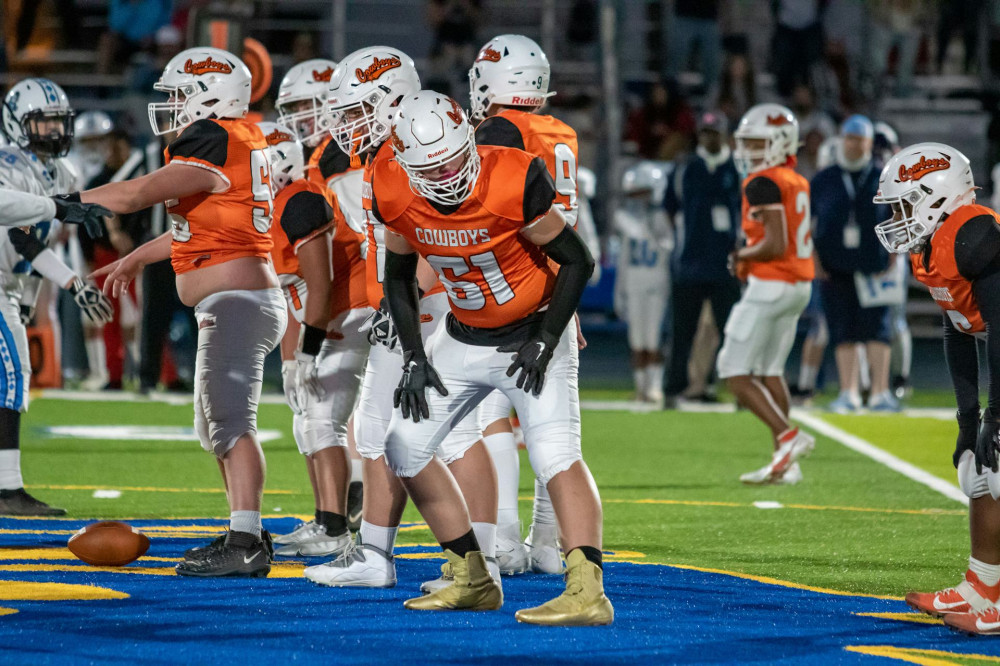
Odds are not just about math; they’re also about psychology. When a popular team like the Dallas Cowboys or the New York Yankees plays, the market is influenced by fan sentiment. Many bettors back them regardless of form, which can push the odds artificially lower.
That means odds don’t always represent pure probability — they also reflect human behavior. This is why bettors talk about “value”: situations where the market’s perception diverges from the true likelihood of an outcome.
Læs også:

What Can We Learn from the Odds?
For the curious sports fan, watching how odds evolve can be a fascinating way to understand the dynamics of competition. They reveal how trust is built and lost, how momentum forms, and how collective expectations can shift faster than the scoreboard.
For the analytical bettor, odds can serve as a tool to spot overreactions — moments when the market becomes too optimistic or too pessimistic.
Whether you’re betting for fun or simply observing, odds tell a story about how we interpret the uncertainty of sports. They offer a window into the collective mind — a place where statistics meet emotion, and where confidence is measured in decimals.
Læs også: