The Impact of Checkout Rules on Strategic Choices in Darts


The Impact of Checkout Rules on Strategic Choices in Darts
To the casual viewer, darts might look like a simple game: hit the right numbers and finish on a double. But behind the quick throws and confident celebrations lies a deep layer of strategy. The rules that govern how a player must “check out” — that is, finish a leg — shape not only the endgame but also every decision leading up to it. Checkout rules influence tactics, rhythm, and even the psychological dynamics between players.
What Does “Checkout” Mean in Darts?
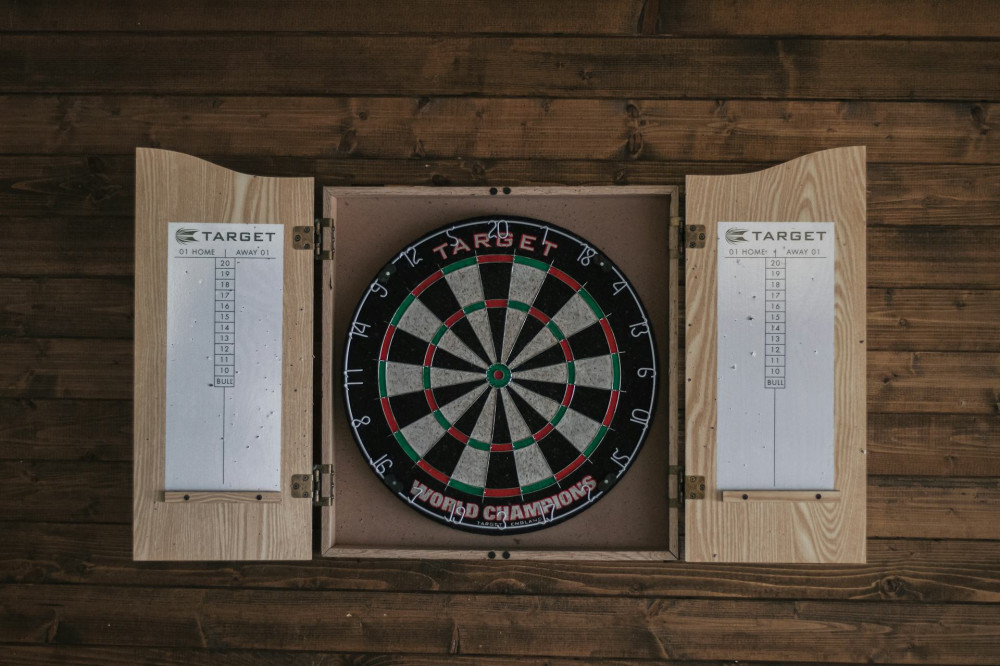
A standard leg of darts begins at 501 points, and the goal is to reach exactly zero. The catch: the final dart must land in a double segment (or the bullseye, which counts as double 25). This rule means players can’t simply aim for the highest scores; they must plan several throws ahead to leave themselves a manageable finish.
For instance, a player sitting on 170 knows that the maximum checkout requires three perfect darts: triple 20, triple 20, and bullseye. But if the score is 169, a checkout in three darts is impossible — a small difference that completely changes the approach. Strategic players therefore aim to avoid “bogey numbers” and position themselves on totals that offer flexible finishing options.
How the Rules Shape the Rhythm of Play
The double-out rule creates a natural rhythm in darts. As players approach 100 points or fewer, the pace slows and the mental game intensifies. Should a player go for a big score to set up a potential finish next turn, or play conservatively to ensure a comfortable double?
Most professionals have preferred doubles they feel most confident hitting. Some favor double 16 because a miss high leaves double 8, while others prefer double 20 for its position at the top of the board. Choosing a checkout route is therefore a blend of mathematics, muscle memory, and personal comfort.
Risk, Reward, and the Psychology of Finishing
Checkout rules also introduce a psychological battle. If one player is sitting on 40 points (double 20) while the opponent still has over 200, the pressure is minimal. But if both players are within checkout range, every dart carries enormous weight. This is where nerves, confidence, and decision-making collide.
Some players take bold risks, going for high checkouts to intimidate their opponent. Others play it safe, setting up easier finishes for the next turn. Both approaches can work, depending on the player’s temperament and the match situation. The checkout phase often reveals who can stay composed under pressure — and who can’t.
Læs også:



Different Formats, Different Strategies
Not all darts formats use the same checkout rules. In most professional tournaments, such as the PDC World Championship, players must finish on a double (“double out”). But in events like the World Grand Prix, the format is “double in, double out,” meaning players must both start and finish on a double. This variation changes the entire strategic landscape.
In “double in” formats, choosing a reliable starting double becomes crucial. Missing the opening double wastes darts and disrupts rhythm. Players who are strong on doubles gain an advantage, while heavy scorers who rely on triple 20s may struggle to find their flow.
Data, Analysis, and the Modern Game
Modern darts has embraced data analytics to study checkout patterns. Statistics show that top professionals hit around 40–45% of their doubles, but the difference between elite and mid-tier players often lies precisely in this area. A player who can stay calm and capitalize on checkout chances will win far more legs — even with a lower scoring average.
Coaches and analysts now map out optimal checkout routes, balancing mathematical efficiency with a player’s natural throwing rhythm. The goal isn’t just to find the shortest path to zero, but the one that feels most natural under pressure.
Conclusion: The Checkout as the Heart of the Game
Checkout rules are far more than a technical detail — they are the heartbeat of darts. They force players to think strategically, plan ahead, and manage their emotions when the match is on the line. A player can dominate the scoring phase, but if the doubles don’t land, victory can slip away in an instant.
That’s why the old saying still rings true: scoring may win legs, but doubles win games. In the checkout, darts transforms from a game of precision into a contest of strategy, psychology, and nerves of steel.
Læs også: