Variation as a Weapon: Analyzing Shots and Tempo in Tennis


Variation as a Weapon: Analyzing Shots and Tempo in Tennis
In modern tennis, success is no longer defined solely by power or precision—it’s equally about variation. The best players in the world master the art of changing pace, rhythm, and shot type to disrupt their opponents’ patterns and create uncertainty. Variation has become a weapon that can turn a match around, even when physical or technical superiority isn’t enough.
This article explores how variation in shots and tempo is used strategically, and why it often makes the difference between winning and losing.
The Psychology of Tempo – When Rhythm Breaks
At its core, tennis is a game of rhythm. Players seek a steady cadence that allows them to hit confidently and predictably. When that rhythm is broken, errors follow.
A player who constantly shifts tempo—from hard, flat groundstrokes to looping topspin shots—forces the opponent to adjust timing and positioning. That constant recalibration creates mental cracks where doubt can creep in.
Consider a defensive baseliner who suddenly accelerates the pace with an unexpected inside-out forehand. The opponent, having settled into long rallies, is caught off balance. The change in tempo doesn’t just alter the physical exchange—it disrupts the opponent’s mental flow.
Tempo variation, then, is as much about psychology as it is about physics: it’s about pushing the opponent out of their comfort zone.
Shot Variation – From Topspin to Slice
Most players have a favorite shot, but the best have an entire arsenal. A heavy topspin ball jumps high and pushes the opponent back, while a flat shot skims through the court, reducing reaction time.
The slice is one of the most underrated weapons in tennis. It’s not just a defensive tool—it’s a tactical instrument that changes the ball’s flight and pace. A deep slice can force the opponent to hit upward, setting up an aggressive attack on the next shot.
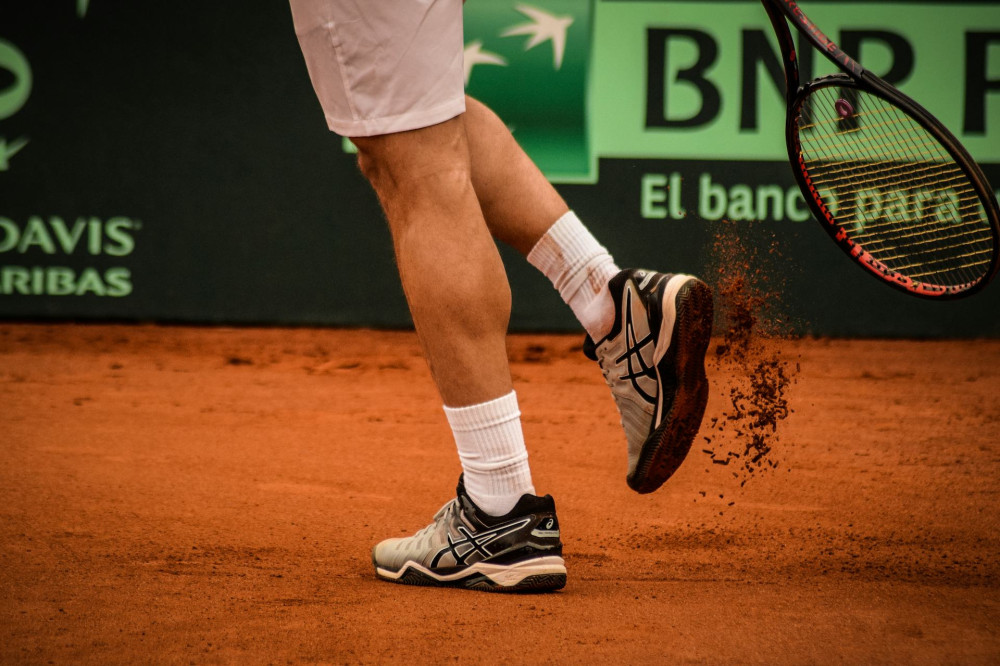
On clay courts, spin variation can be decisive, as the surface amplifies differences in bounce and trajectory. On faster hard courts, it’s often the change in pace and trajectory that makes the difference.
Mastering variation requires technical versatility—but also the ability to read the game and choose the right weapon at the right moment.
Læs også:




Serve and Return – The Hidden Rhythm Shifts
The serve is often the most decisive shot in a match, but even here, variation plays a crucial role. A player who serves with the same speed and placement repeatedly becomes predictable.
By mixing in kick, slice, and flat serves, a player keeps the returner guessing. The same principle applies to returning: sometimes the most effective response isn’t power, but control and placement that neutralize the server’s advantage.
Top returners like Novak Djokovic and Iga Świątek excel at using tempo changes to blunt even the most powerful serves. They read the rhythm and break it before the opponent can settle into a pattern.
The Tactical Overview – When Variation Becomes Strategy
Variation isn’t random improvisation—it’s a deliberate strategy built on observation and timing. A player who senses when the opponent is under pressure can use a change in tempo to intensify that pressure—or a slice to slow the rally and reset the point.
Coaches today work systematically to develop this skill. Video analysis and data tracking help identify patterns in opponents’ play, allowing players to plan when and how to introduce variation.
The goal is to create imbalance—not necessarily to hit winners, but to force the opponent to strike from uncomfortable positions.
Variation as the Key to the Future
As tennis becomes faster and more physically demanding, the ability to vary play is more important than ever. Power alone rarely wins matches at the highest level.
Players who can combine pace, spin, and rhythm shifts with tactical intelligence hold the upper hand. Variation isn’t just a supplement—it’s a weapon that can decide matches, seasons, and careers.
For both professionals and ambitious amateurs, the message is clear: learn to master variation, and you’ll gain a weapon capable of unsettling even the most consistent opponents.
Læs også: