The Psychology of Gaming: How Reward Mechanisms Affect Our Brain

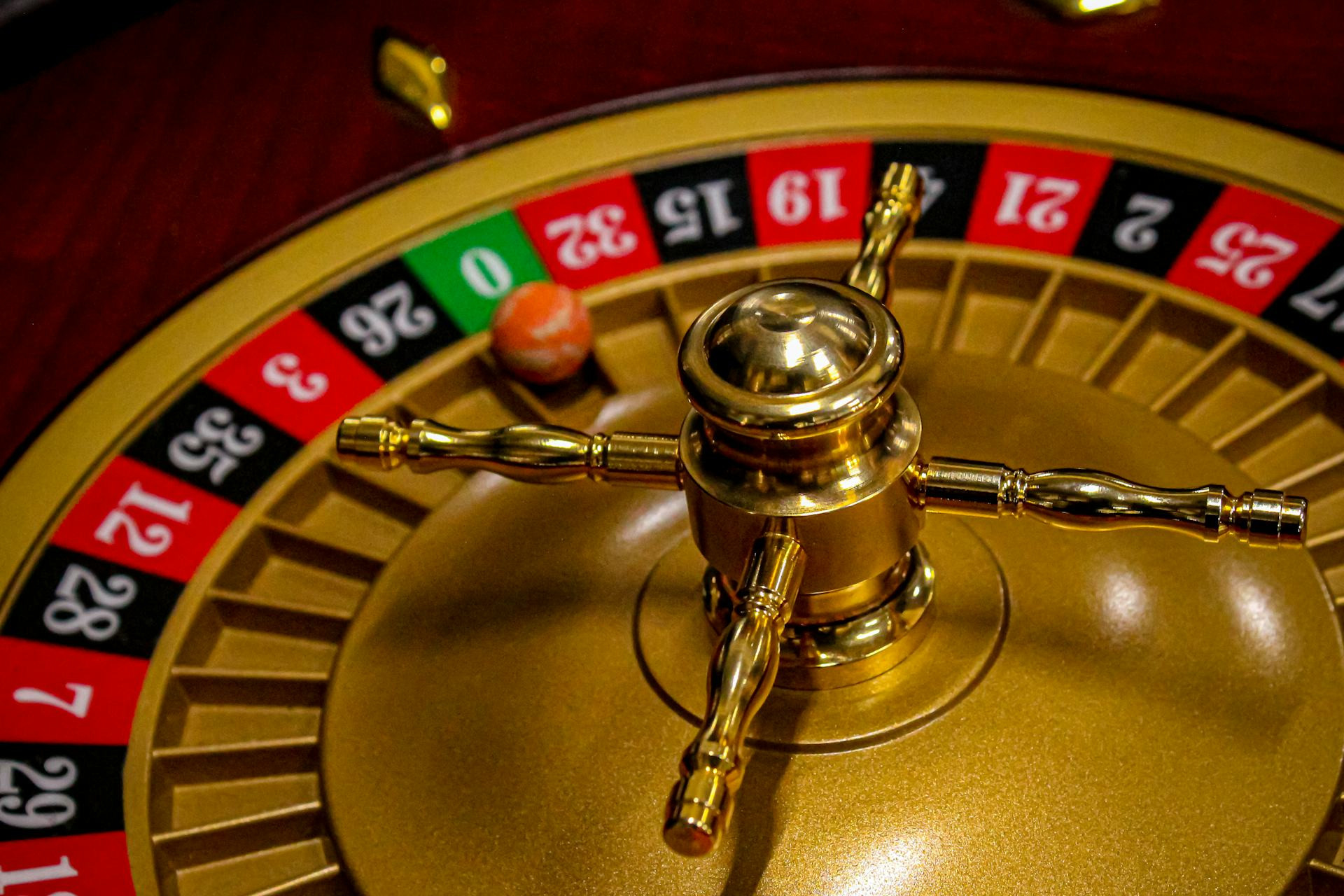
The Psychology of Gaming: How Reward Mechanisms Affect Our Brain
Why do we find games so captivating—whether it’s a quick mobile puzzle, an online casino, or a multiplayer video game? The answer lies in our brain’s reward system. Games are designed to trigger the release of dopamine, the chemical that makes us feel pleasure, excitement, and motivation. But the same mechanisms that make games fun can also make them hard to put down.
Dopamine – The Brain’s Reward Signal
Whenever we experience something positive—winning a round, leveling up, or unlocking a rare item—our brain releases dopamine. This neurotransmitter tells us that what we just did is worth repeating. Game designers intentionally build around this process: small victories, visual effects, and sound cues are all crafted to deliver tiny dopamine “hits” that keep us engaged.
Interestingly, dopamine isn’t only released when we win—it’s also released when we anticipate a reward. That means the excitement before the outcome can be just as stimulating as the reward itself. This anticipation is what keeps us saying, “just one more game.”
The Power of Unpredictability
One of the most effective ways to hold our attention is through unpredictability. Psychologists call this a variable reinforcement schedule—a pattern where rewards come at random intervals. It’s the same mechanism that makes us check our phones repeatedly for new notifications or social media likes.
In gaming, this works because we never know when the next win will come. Maybe it’s now, maybe it’s next time. That uncertainty keeps our brains on high alert, fueling motivation and excitement. It’s why slot machines and loot boxes in video games can be so addictive—they tap into our brain’s craving for unpredictable rewards.
Designed to Keep Us Playing
Modern game developers use psychology and data analytics to understand player behavior—specifically, when players lose interest and how to keep them coming back. They do this through features such as:
- Progression systems – constant small goals and rewards that create a sense of achievement.
- Social interaction – competition and cooperation with others trigger social rewards.
- Daily challenges – small tasks that encourage players to return every day.
- Visual and auditory feedback – colors, sounds, and animations that amplify the feeling of success.
These elements aren’t random. They’re carefully balanced to create an experience that feels rewarding and immersive—but that can also lead us to play longer than we intended.
When the Game Takes Over
For most people, gaming is a harmless and enjoyable pastime. But for some, the same reward mechanisms can lead to problematic behavior. When the brain becomes accustomed to frequent dopamine spikes, it starts to crave them more and more—even when gaming begins to interfere with sleep, finances, or relationships.
Research in the U.S. has shown that individuals with impulsive tendencies or high risk-taking behavior are more vulnerable to gaming addiction. That’s why it’s important to be aware of how games affect us—and to set boundaries around time and spending before the game starts to take control.
Læs også:

Playing with Awareness
Understanding the psychology of gaming isn’t about avoiding games altogether—it’s about playing with awareness. When we know how the reward system works, we can recognize the mechanisms that influence us and take control of them.
A useful question to ask is: Am I playing because I want to, or because I’m chasing the feeling of winning? That awareness can make the difference between healthy entertainment and unhealthy compulsion.
Games can be fun, challenging, and social—but like anything that stimulates the brain’s reward system, balance is key. By understanding how games tap into our natural desire for rewards, we can enjoy them fully—without letting them take over.
Læs også: